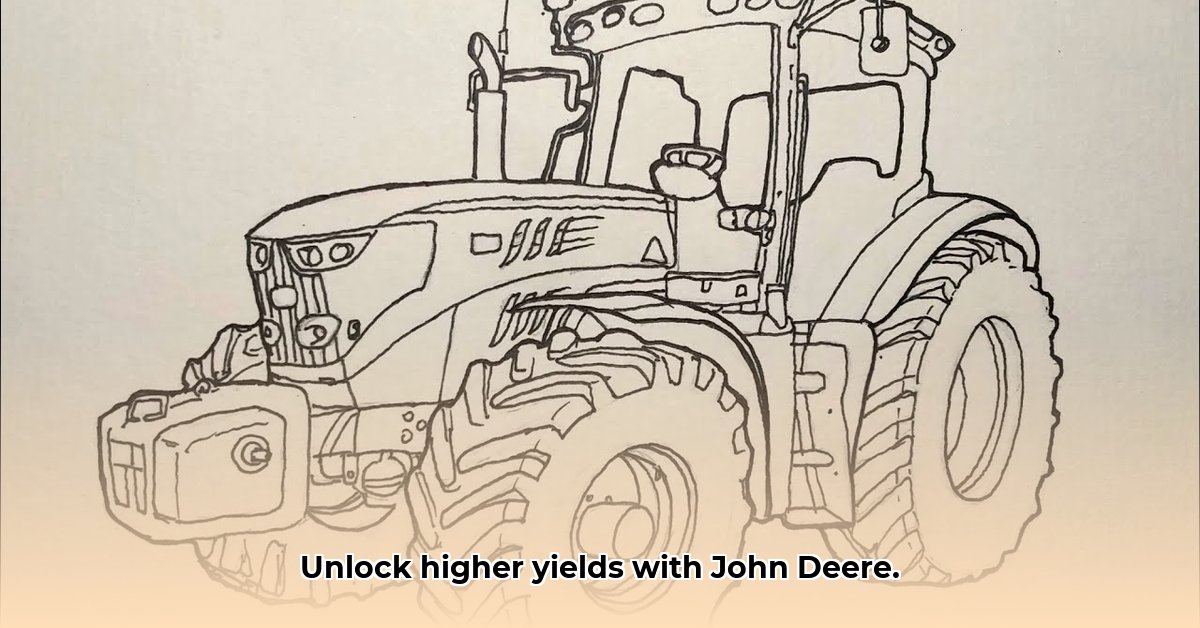
Farming is evolving, and sustainable practices are no longer optional—they're essential for long-term success. John Deere tractors are at the forefront of this transformation, offering a suite of features designed to boost yields while minimizing environmental impact. This article explores how John Deere's innovative designs contribute to sustainable agriculture, providing a practical guide for maximizing efficiency and profitability. See John Deere in action during harsh conditions.
Understanding the John Deere Tractor Design: A Foundation for Sustainable Agriculture
The design philosophy behind modern John Deere tractors prioritizes efficiency and environmental responsibility. Precision technology, waste reduction, and optimized resource utilization are central to their development. The result is a system that delivers higher yields with a significantly smaller environmental footprint. How much smaller? Studies show that precision agriculture techniques, like those enabled by John Deere tractors, can reduce fertilizer use by up to 20%, a considerable saving for both your wallet and the planet. Isn't it time you considered making a similar switch?
Key Features That Make Sustainable Farming Easier
Several key features built into John Deere tractors directly contribute to sustainable farming practices:
Precision Technology: A Game Changer: GPS-guided systems and auto-steer capabilities minimize overlaps during field operations. This translates to reduced fuel consumption and decreased soil compaction, preserving soil health for future harvests. Studies show that GPS-guided tractors can reduce fuel usage by up to 10%, representing considerable savings over a season. Are you missing out on these savings?
Fuel Efficiency: Saving Money and the Planet: John Deere's efficient engines maximize power output while minimizing fuel consumption. This directly impacts both your bottom line and the carbon footprint of your operation. Lower fuel costs alone improve profitability. How much could you save if you switched to a more fuel-efficient model?
Gentle on the Soil: Protecting Your Land's Health: Specialized tires and intelligent weight distribution minimize soil compaction, improving water infiltration and overall soil health. Healthy soil is the foundation of successful agriculture—it’s not just about current yields, but future ones. Do you want your soil to thrive for years to come, or are you settling for less?
Smart Sensors and Data: Farming with Information: Integrated sensors provide real-time data on crucial factors like soil conditions and crop health. This empowers data-driven decision-making, optimizing resource allocation and minimizing waste. What if you could precisely pinpoint areas needing fertilizer or irrigation – wouldn’t that be efficiency?
Optimized Planting and Harvesting: Maximizing Yields: Advanced planting and harvesting equipment ensure precise seed placement, efficient harvesting, and less crop damage. The result: higher yields and reduced food waste. Could your current equipment deliver such consistency and precision?
Putting It All Together: A Practical Guide to Sustainable Farming
Here's how to leverage John Deere tractor features for sustainable farming success:
Precision Planting: Use GPS guidance for optimal seed depth and spacing, ensuring better germination rates and maximum yield potential. Studies have shown that precision planting can increase yields by up to 15%, significantly improving your return on investment.
Variable Rate Technology (VRT): Targeted Application: Apply fertilizers and pesticides only where needed, minimizing environmental impact and cost. VRT is a game-changer for sustainable agriculture, allowing for tailored interventions. How much could you reduce your chemical usage with this precise targeting method?
Data-Driven Decisions: Monitor sensor data to identify areas needing immediate attention, optimizing irrigation or pest management. Proactive management delivers significant benefits. What would your farm look like after implementing a comprehensive data-driven management strategy?
Soil Health Monitoring: Regularly assess soil health to tailor tillage and fertilization, promoting long-term soil health and reducing reliance on synthetic inputs. Healthy soil leads to healthier crops and reduces environmental impact – what are you doing to ensure your soil remains healthy and productive?
Fuel Management: Employ strategies to maximize fuel efficiency, including regular maintenance and operator training. Improving fuel economy directly impacts both profits and sustainability. How much could you save annually with better fuel management?
The Future of Sustainable Farming and John Deere Tractors
John Deere continues to innovate, with future tractors promising:
Increased Automation: Greater automation will reduce labor demands and enhance operational efficiency. This will become especially important in facing labor shortages.
Advanced AI and Machine Learning: AI will provide even more refined data analysis for optimal resource management. Data analysis will translate into even better farm management.
Electric and Alternative Fuels: This will further reduce reliance on fossil fuels and significantly lower carbon emissions. Sustainability is no longer just an ideal—it’s a business necessity.
John Deere tractors are not simply machines; they are tools for building a more sustainable and secure food system. The future of farming is bright, and John Deere is leading the way toward a more sustainable and productive future. But the journey requires commitment to implementing technology’s potential fully. Are you ready to seize this future?